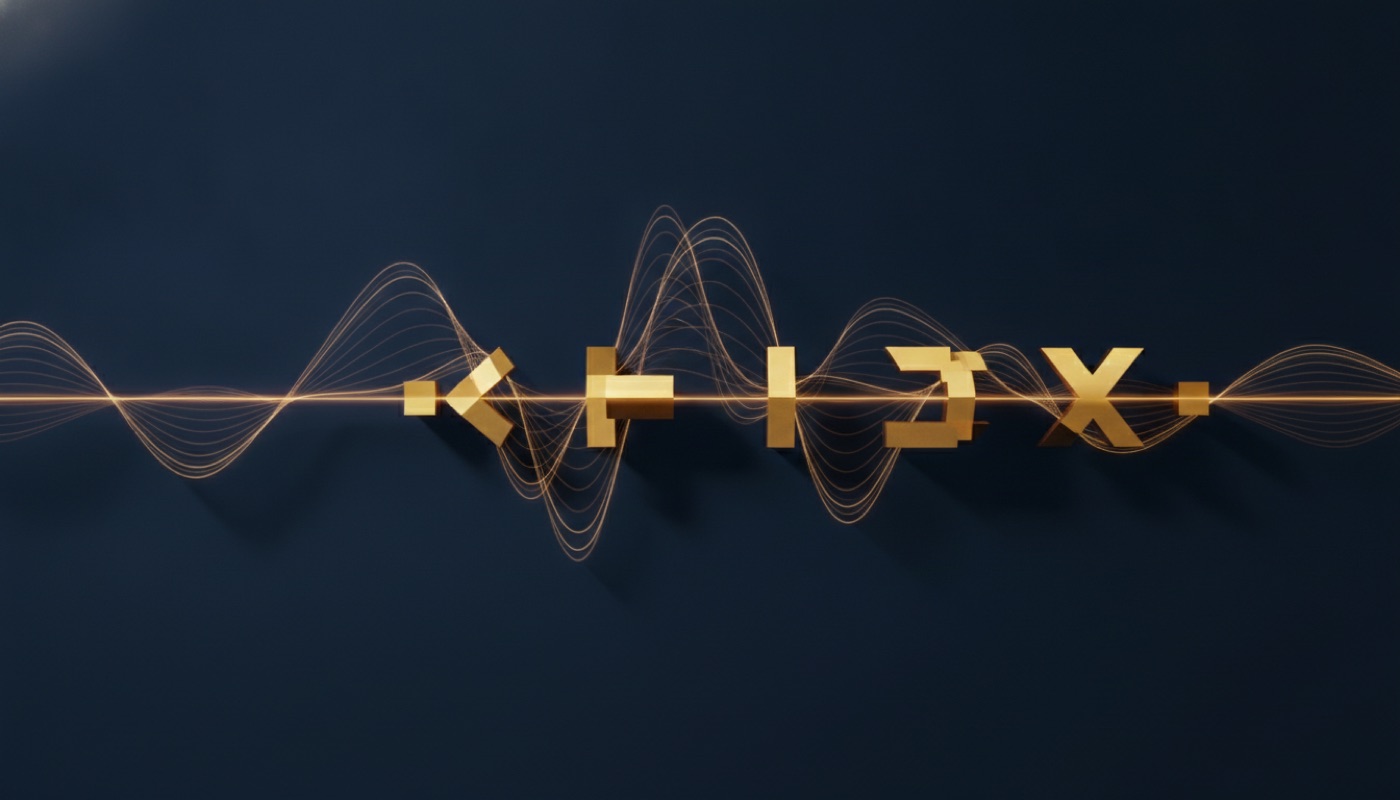
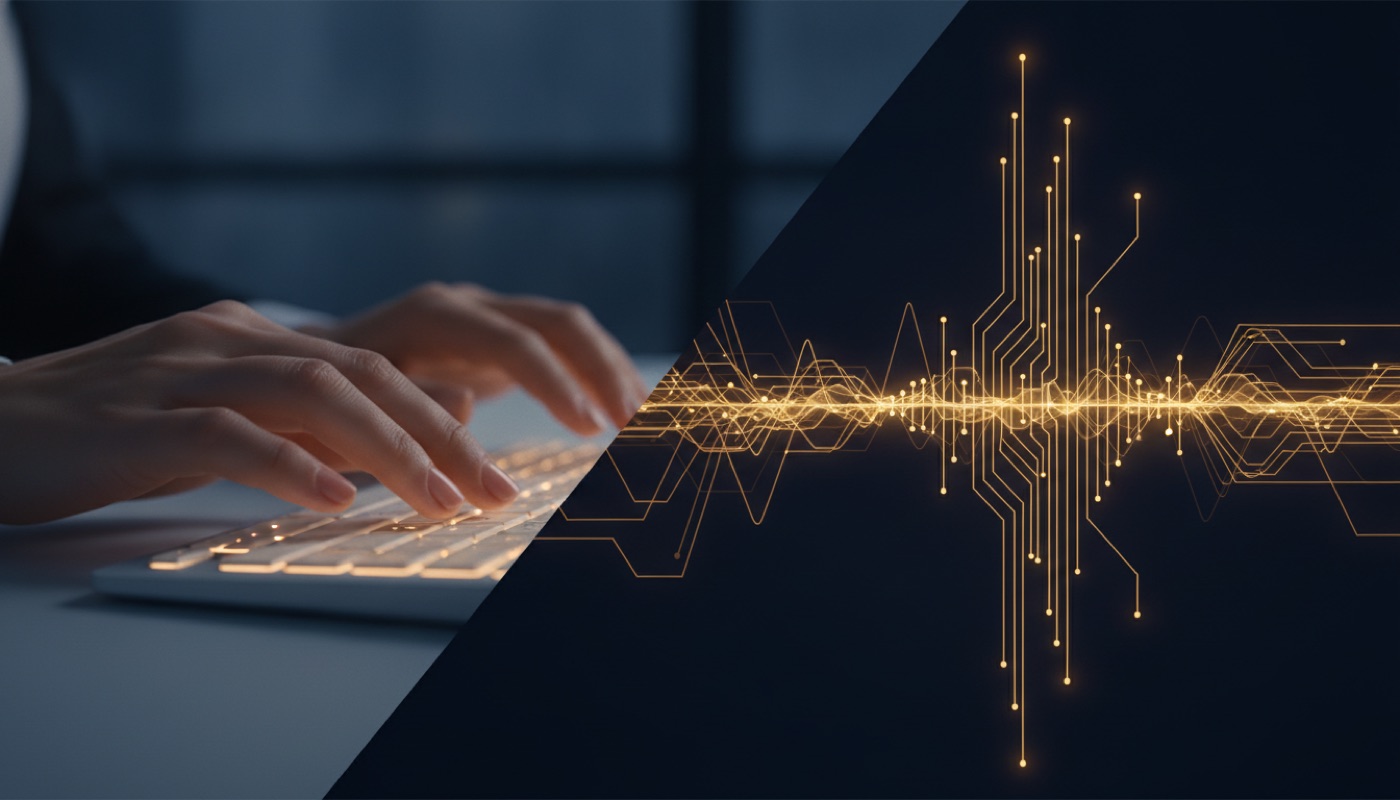
Speech recognition turns a pressure wave into text. Between those two states sit three steps: sampling the sound, matching it to speech units, and choosing which of several plausible sentences you probably said. The last step is where most of the surprises live.
The pipeline in four stages
- Capture. A microphone converts air pressure into a voltage, sampled thousands of times per second.
- Feature extraction. The audio is cut into short frames and described in terms a model can use.
- Acoustic modelling. The model maps those frames onto speech sounds.
- Language modelling. Context decides between "their", "there" and "they're".
How accuracy is scored
The standard measure is word error rate. It counts three kinds of mistake — substitutions, deletions and insertions — and divides by the number of words actually spoken. A 5% word error rate means one word in twenty needs a human hand.
Where humans still win
Overlapping speakers, heavy accents, technical jargon and bad rooms are where machines lose ground. A human transcriber uses meaning to resolve ambiguity. A model mostly uses probability, and probability fails in predictable places.
Between those two states sit sampling, acoustic modelling and a language model deciding which of several plausible sentences you probably said.These guides explain that pipeline, the way its accuracy is scored, and where a human ear still beats a machine.