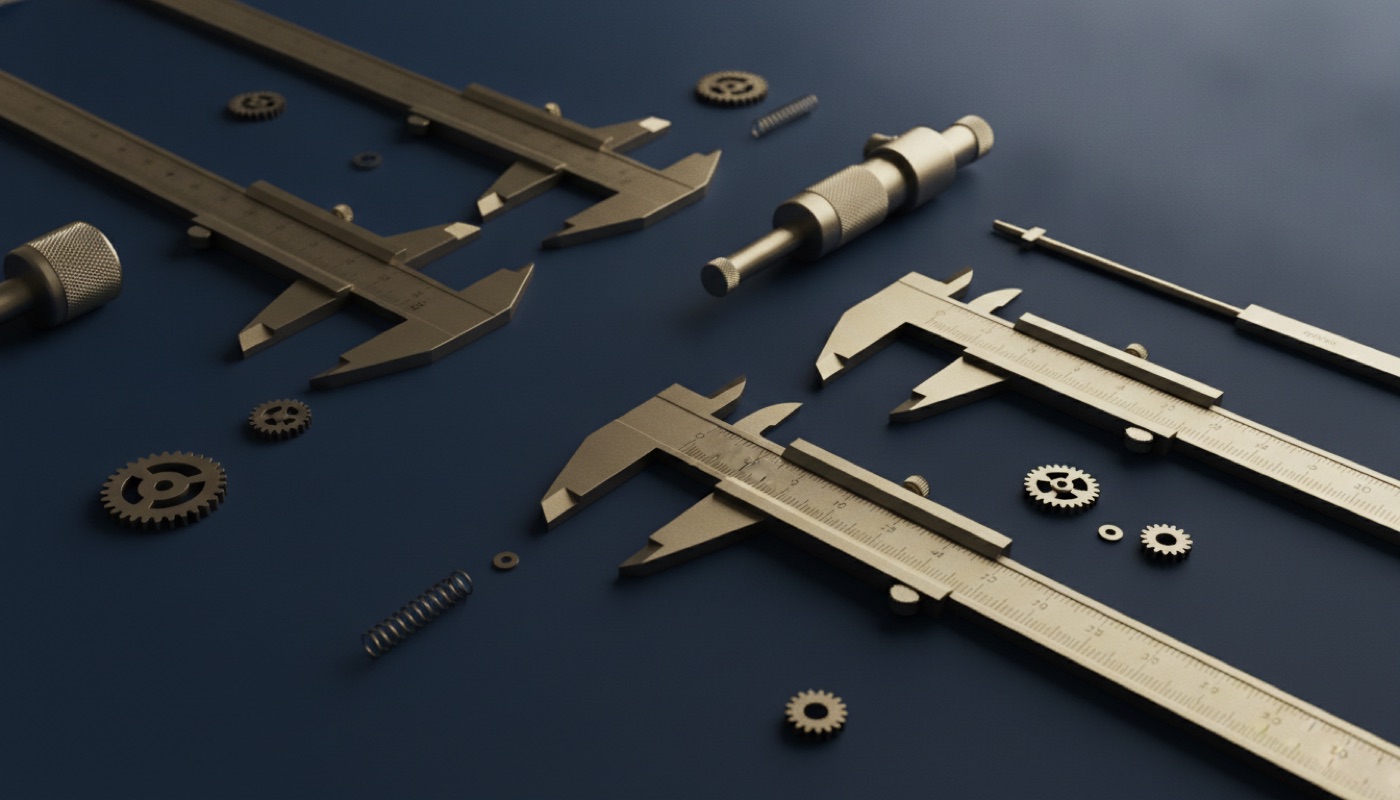
Precision is a habit before it is a measurement. It shows up as the decision to test once more, to remove one more line, to hold a tolerance nobody will ever inspect. This hub is where the TARGA Craft Desk writes about that habit, across craft, engineering, design and software.
A short timeline of getting things right
Every standard we now take for granted began as an open argument. Five turning points shaped the rest.
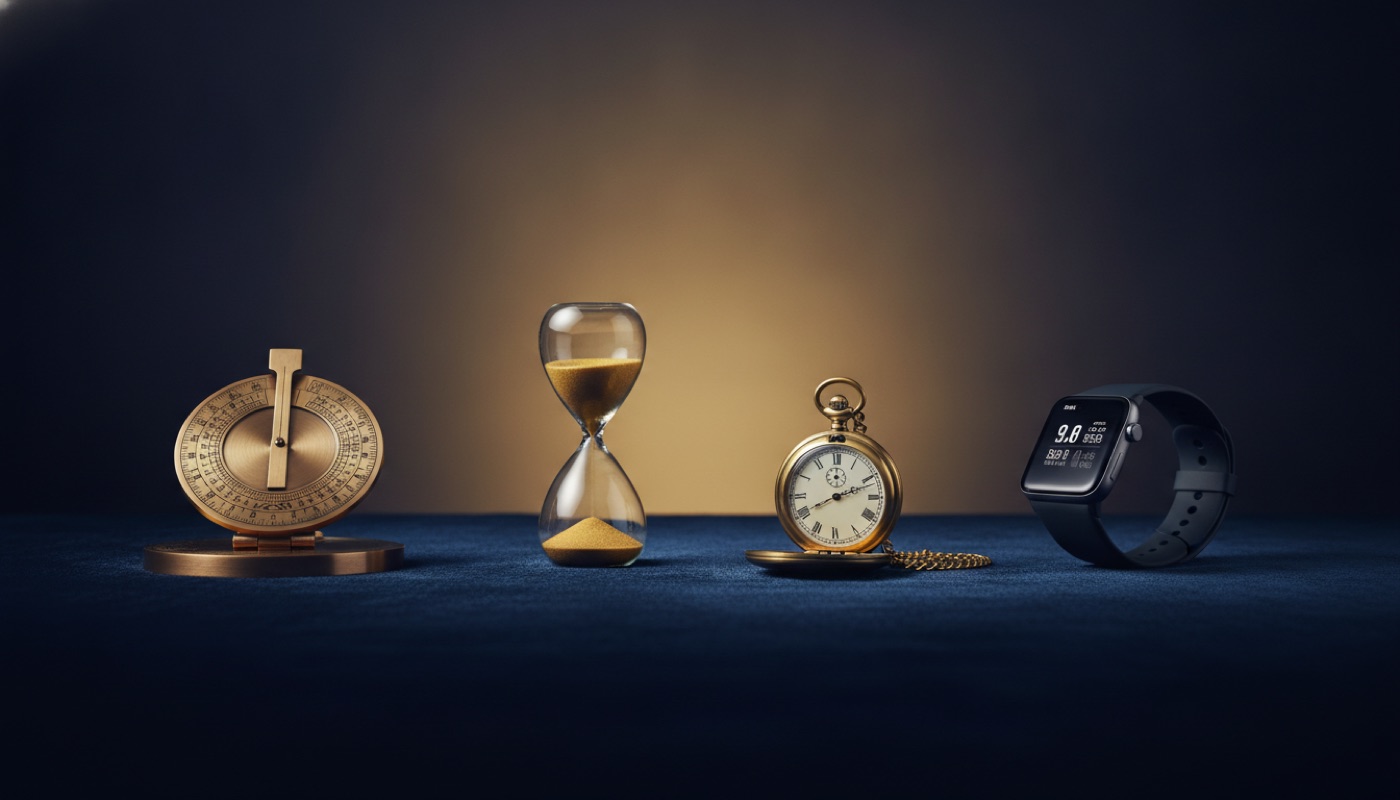
- Shadow and flow: the earliest clocks divided the day using sunlight and running water. They were public instruments, and being an hour out was ordinary, as the history of measuring time describes.
- The counted beat: mechanical clocks replaced flow with an escapement. Time became something a machine could repeat, rather than something the weather interrupted.
- The sea: navigation demanded a clock that kept time on a moving, salt-soaked ship. Solving that turned watchmaking into precision engineering.
- The written rule: makers began defining quality in words rather than reputation, which is the story behind the Swiss made label and standards like it.
- Accuracy everywhere: electronics made exact time cheap and universal. The question changed from whether we can measure it to what we do with the hours we have.
The same test, in different materials
A watch case, a printed page and a piece of software are judged in much the same way, even though the tools have nothing in common.
| The work | How precision is judged |
|---|---|
| A mechanical movement | Parts stay within tolerance and keep running after years of wear |
| A watch dial | Everything unnecessary has gone, and the time reads at a glance |
| A transcript | A reader can quote it without returning to the audio to check |
| An assistant's answer | Every claim can be verified, in the language the reader asked for |
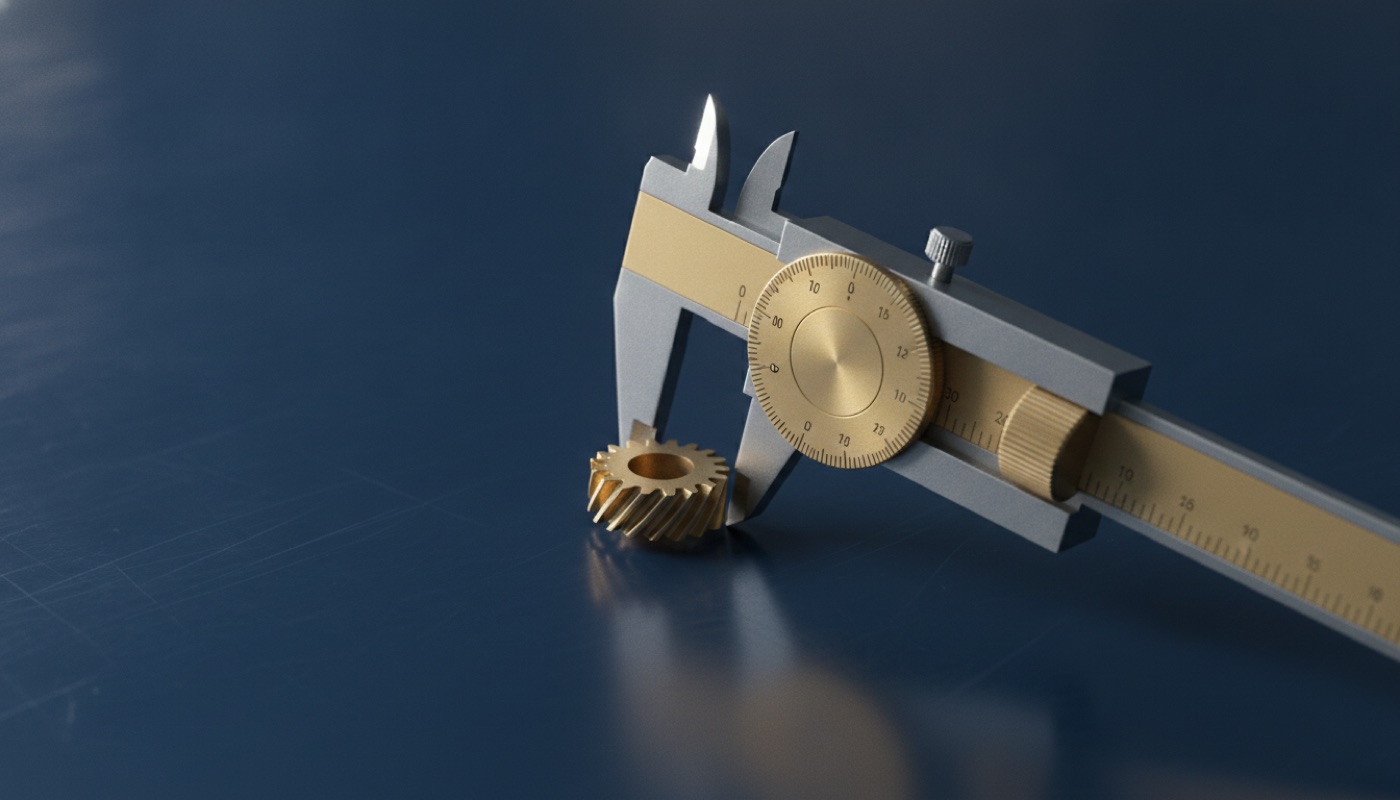
Tolerance and testing explains what those measurements mean on a workshop bench, and why a part can be correct on paper yet wrong in a case. Related reading is collected under quality standards.
Restraint is the other half of the discipline. Design minimalism, from dials to interfaces argues that removing an element is a decision, not an absence of one. The same argument applies to a watch face and to a screen.
These essays are the closest thing we have to a company philosophy in print. If you want to know why a watchmaker also builds transcription software and a free assistant, and holds all three to one standard, read them and then read about TARGA.
If you read only three pieces here
- The idea: the philosophy of precision, on what the word means once it leaves the workshop.
- The pressure: craftsmanship in the age of AI, on what a machine can copy and what it cannot.
- The application: the guides under time and focus, on treating your own hours with the care a watchmaker gives a movement.