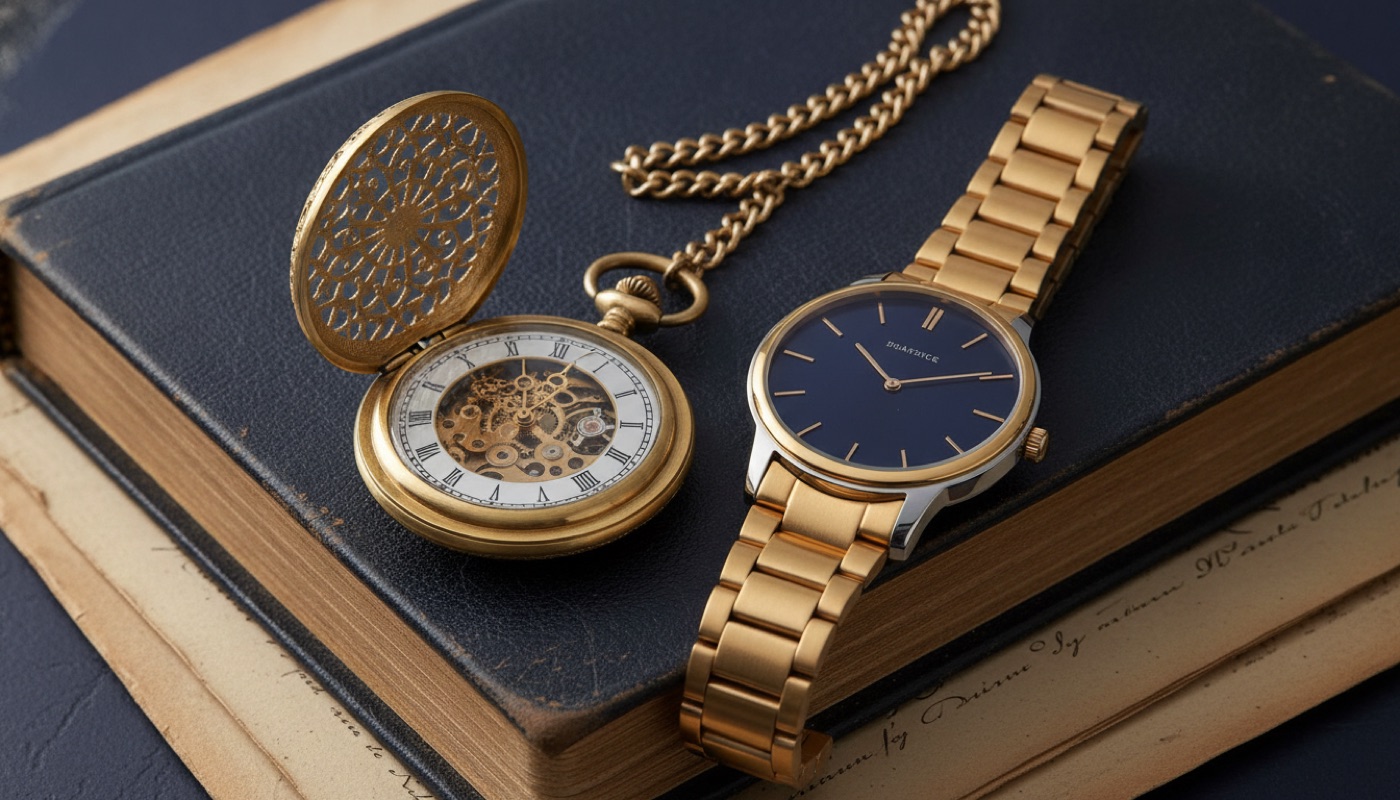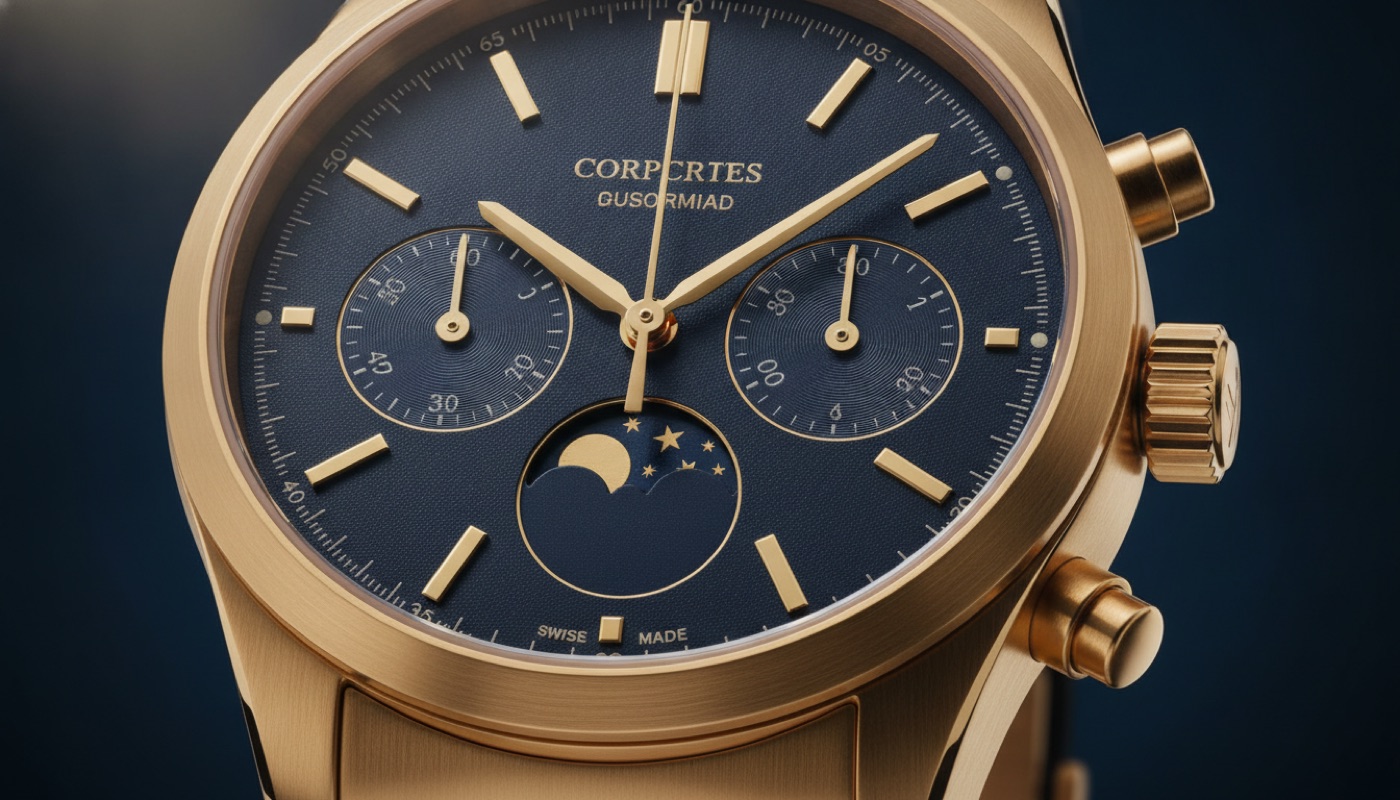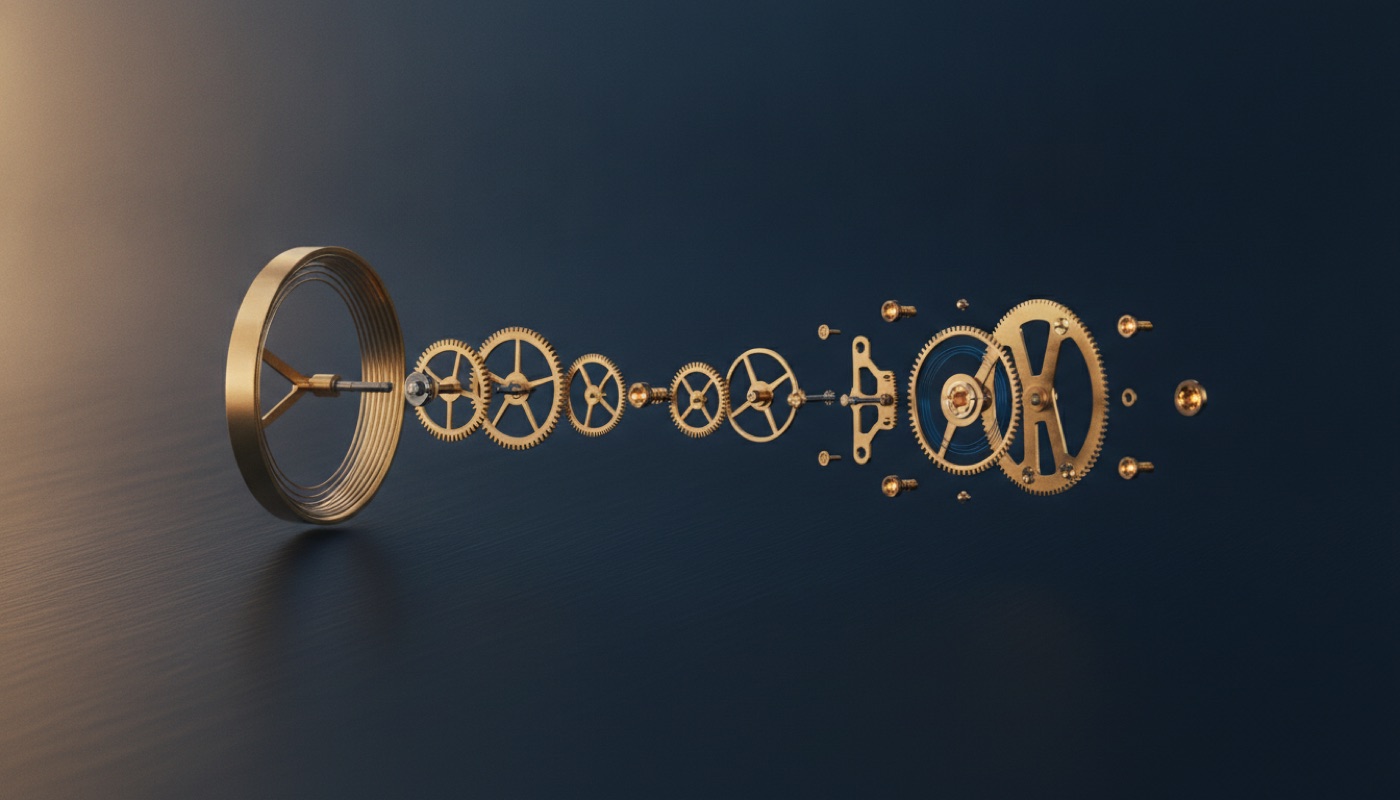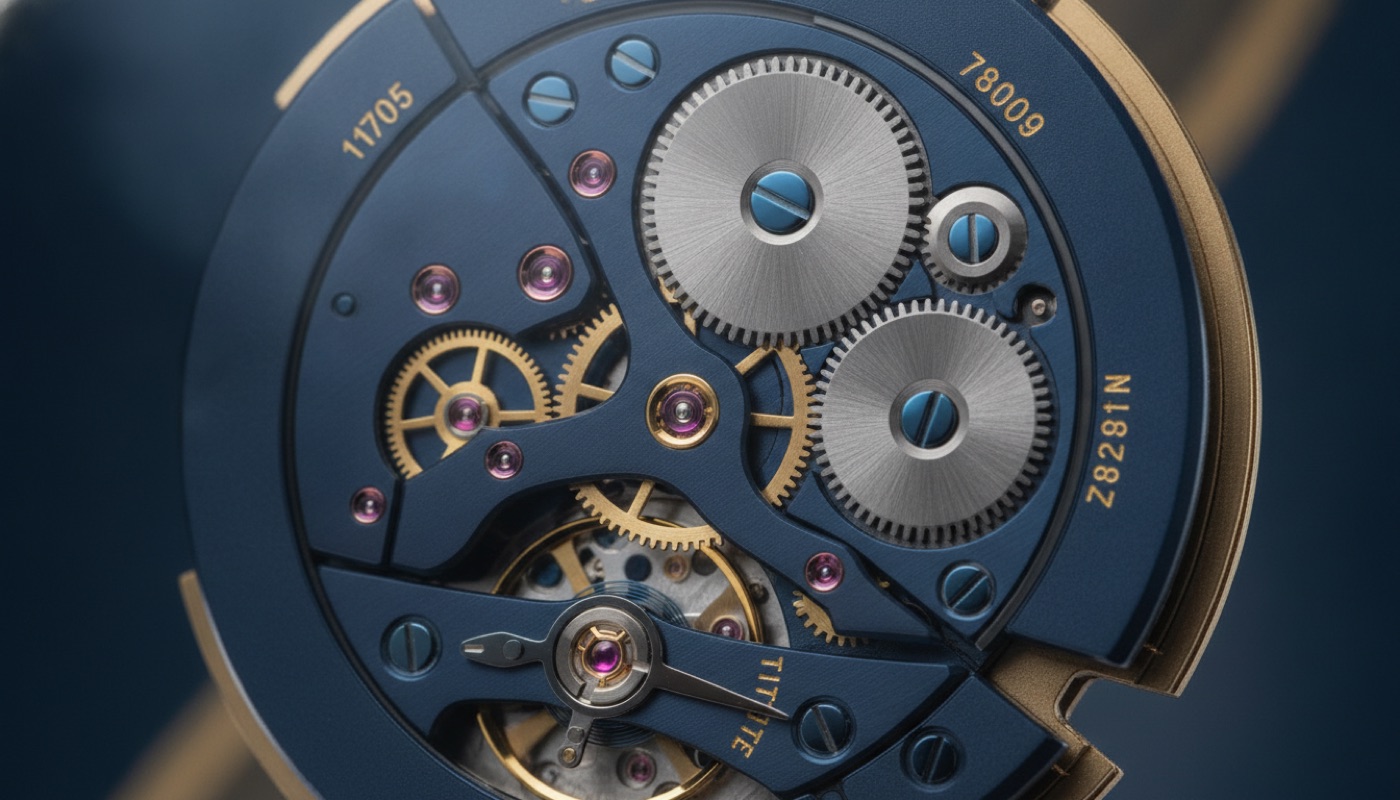
Short answer: a mechanical watch stores energy in a coiled spring and lets it out in tiny, even steps. A train of gears carries that energy to the hands, and an escapement decides how quickly it escapes. Learn those three parts and most watch talk becomes plain speech.
This hub gathers everything the TARGA Horology Desk writes about mechanical watches. It covers how they work, what they are made from, how to buy one sensibly and how to keep it running. No prior knowledge is assumed, and no term is used before it has been explained.
Start here: four guides, in order
Read these four in sequence and you will hold most of the vocabulary a dealer or a collector will use.
- The engine: begin with how a mechanical watch movement works, which follows the energy from the mainspring all the way to the hands.
- The extras: then read what a complication actually is, so that a chronograph, a moon phase or a date window stops being a mystery.
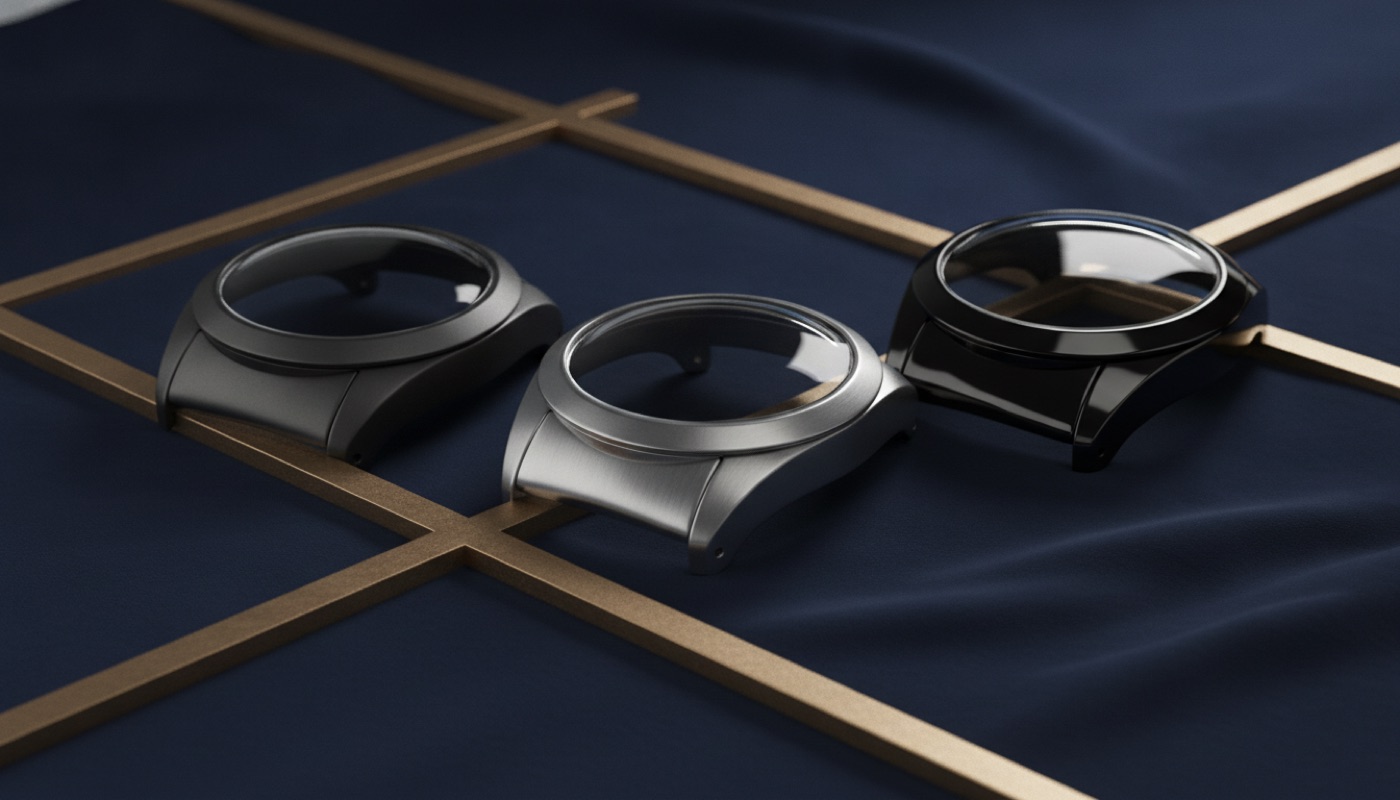
- The body: our guide to watch materials explains why steel, titanium, sapphire and ceramic age so differently on a wrist worn every day.
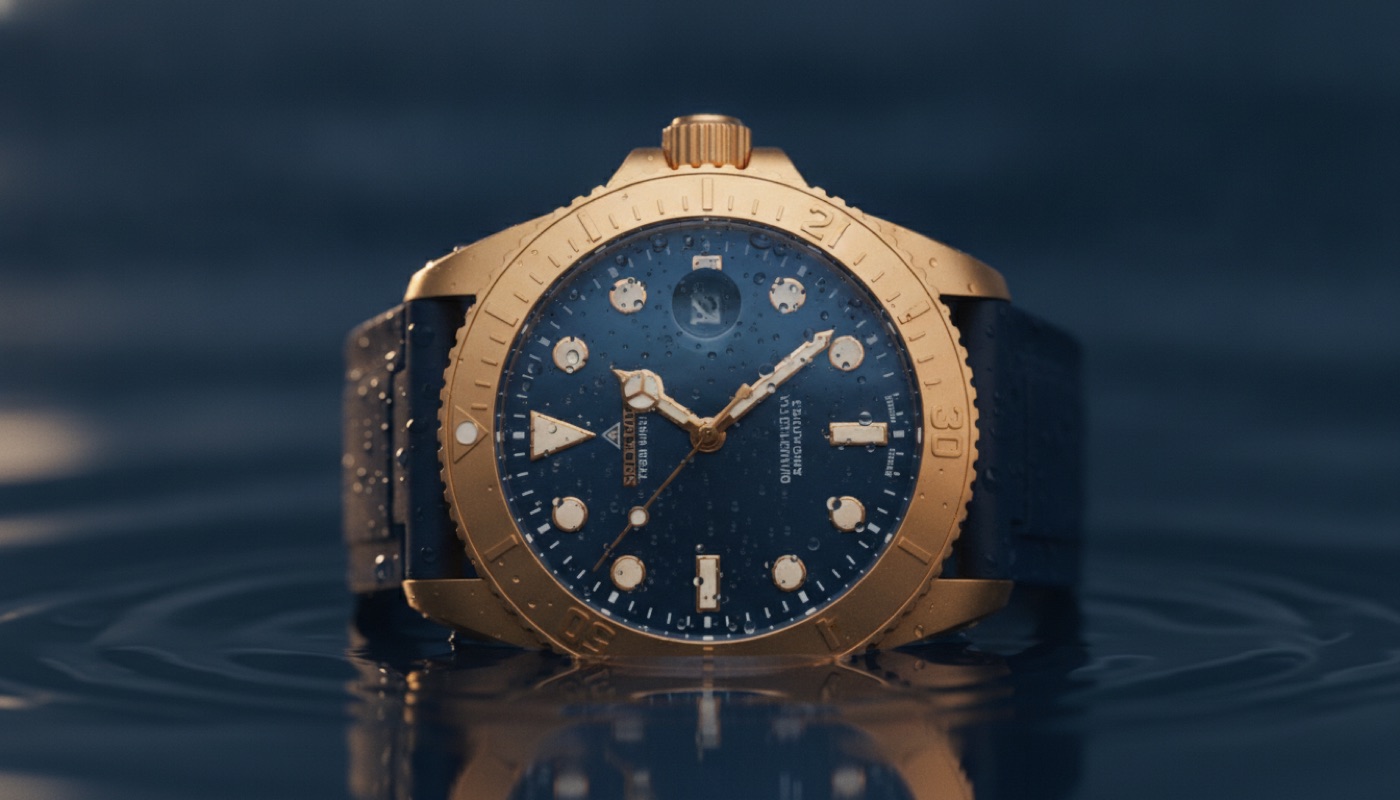
- The limits: finish with water resistance ratings in plain language, because the figure stamped on a case back is the most misread number in watches.
Those four describe the machine. If you would rather understand where it came from, the longer story sits under the history of timekeeping, which runs from shadow clocks to the wristwatch.
The two questions readers arrive with
The first is what to buy. Choosing a first serious watch works through budget, case size, proportion and movement type without steering you towards any brand. Wider reading sits under buying a watch, written for people spending real money on a watch for the first time.
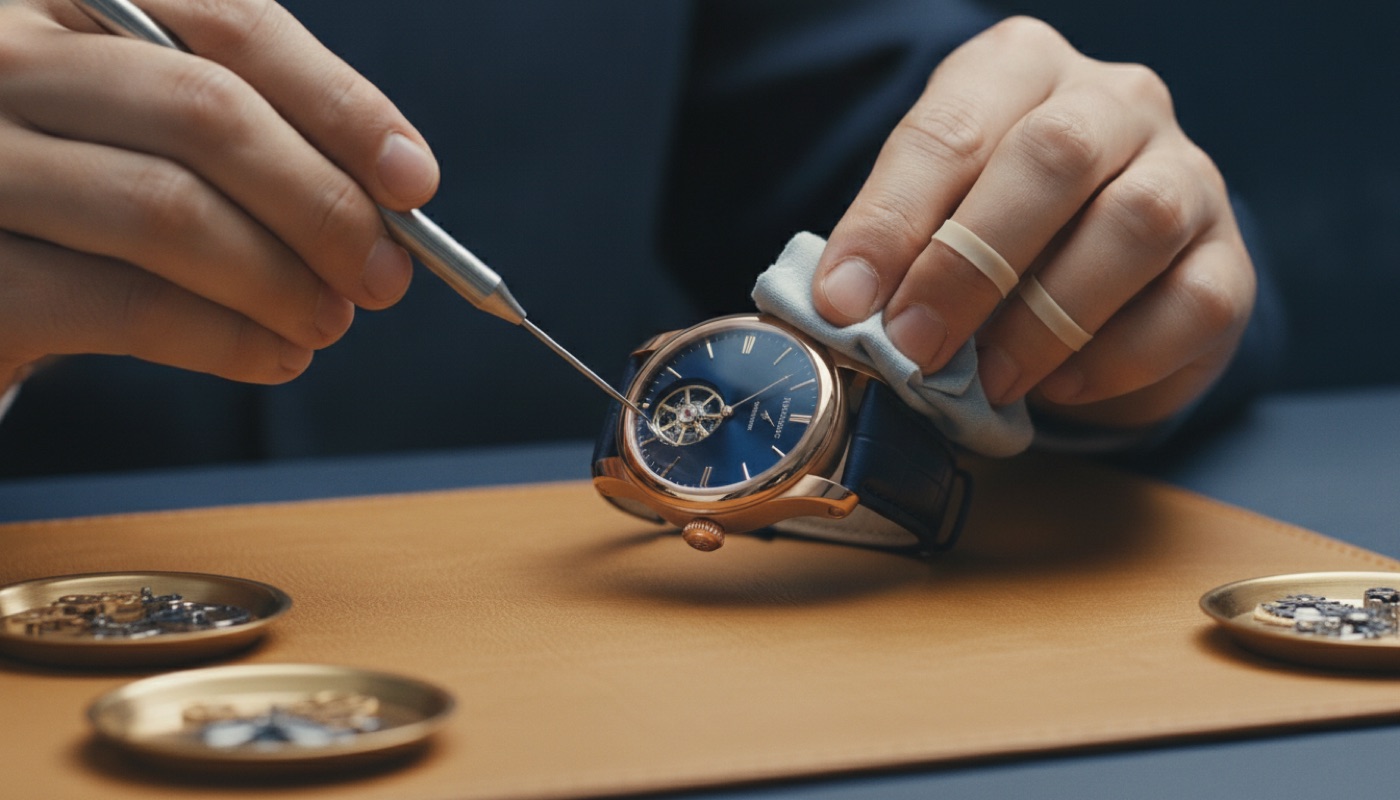
The second question is what happens afterwards. A mechanical watch is a machine you may own for decades, so the care guide matters more than any specification sheet. It covers cleaning, storage, winding habits and the signs that a service is due. Care is what separates a watch you keep from a watch you replace.
Where TARGA fits
We publish these guides because we make watches. Targa Watches began in Copenhagen in 2021 and now spans seven collections, from the minimalist DW1 to the naval-diver-inspired Seal. Nothing in this hub is written to sell you a timepiece. It is written so that, whatever you buy, you understand exactly what you own.
The full range, and the authorised dealers who stock it, are set out on the Targa Watches page.
Tip: before you compare anything, decide what the watch is for. A dress watch, a daily watch and a watch you swim in ask for different cases, straps and water resistance ratings. That single decision narrows the field faster than any review can.