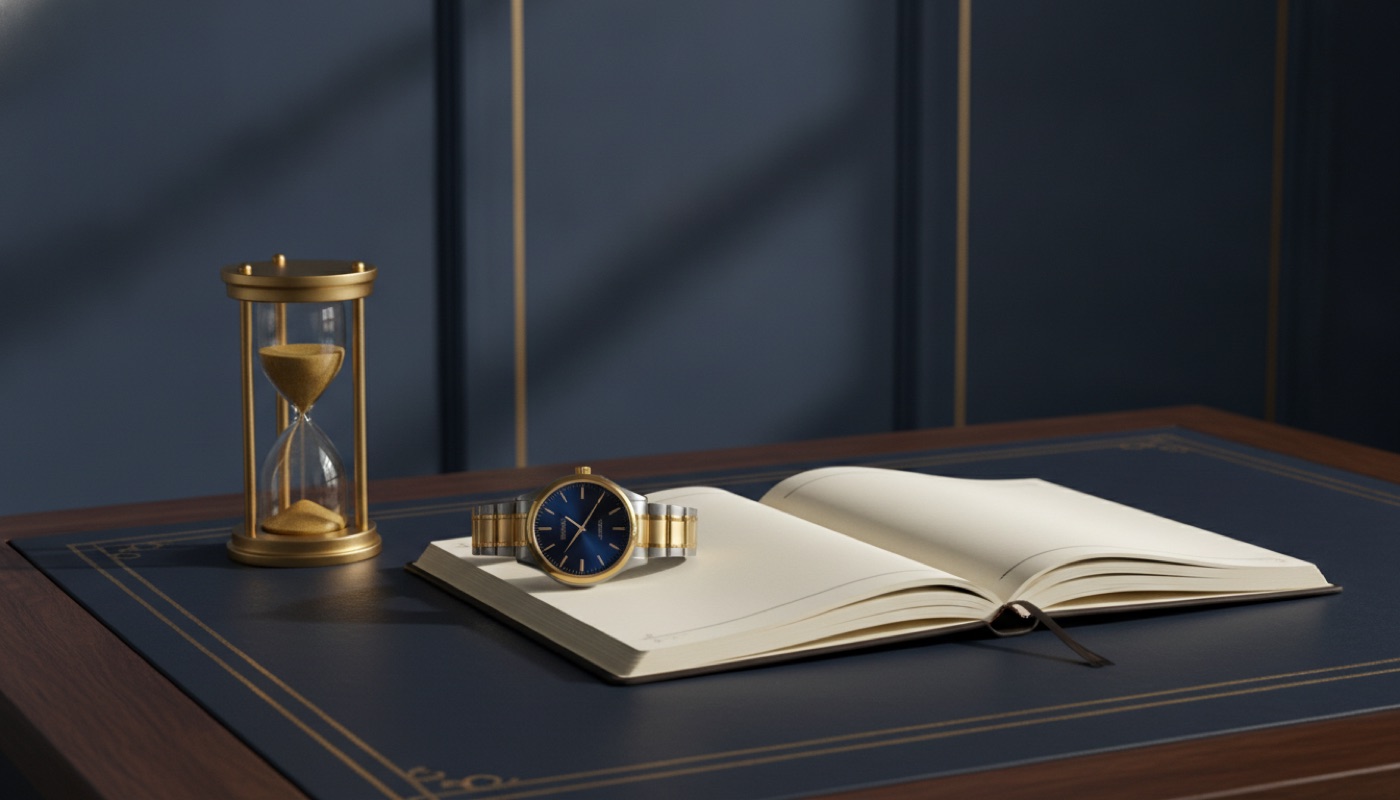
Horology is the study of measuring time. It turns out to have a good deal to say about spending it. Clocks are machines for rationing energy evenly, which is roughly the problem a working day presents.
Three ideas worth stealing from watchmaking
- Regulation beats effort. A watch keeps time because energy is released evenly, not because the spring is strong.
- Power reserve is finite. A movement runs for a set number of hours and then stops. So do you.
- Accuracy is measured against a standard. Feeling productive and being accurate are different claims.
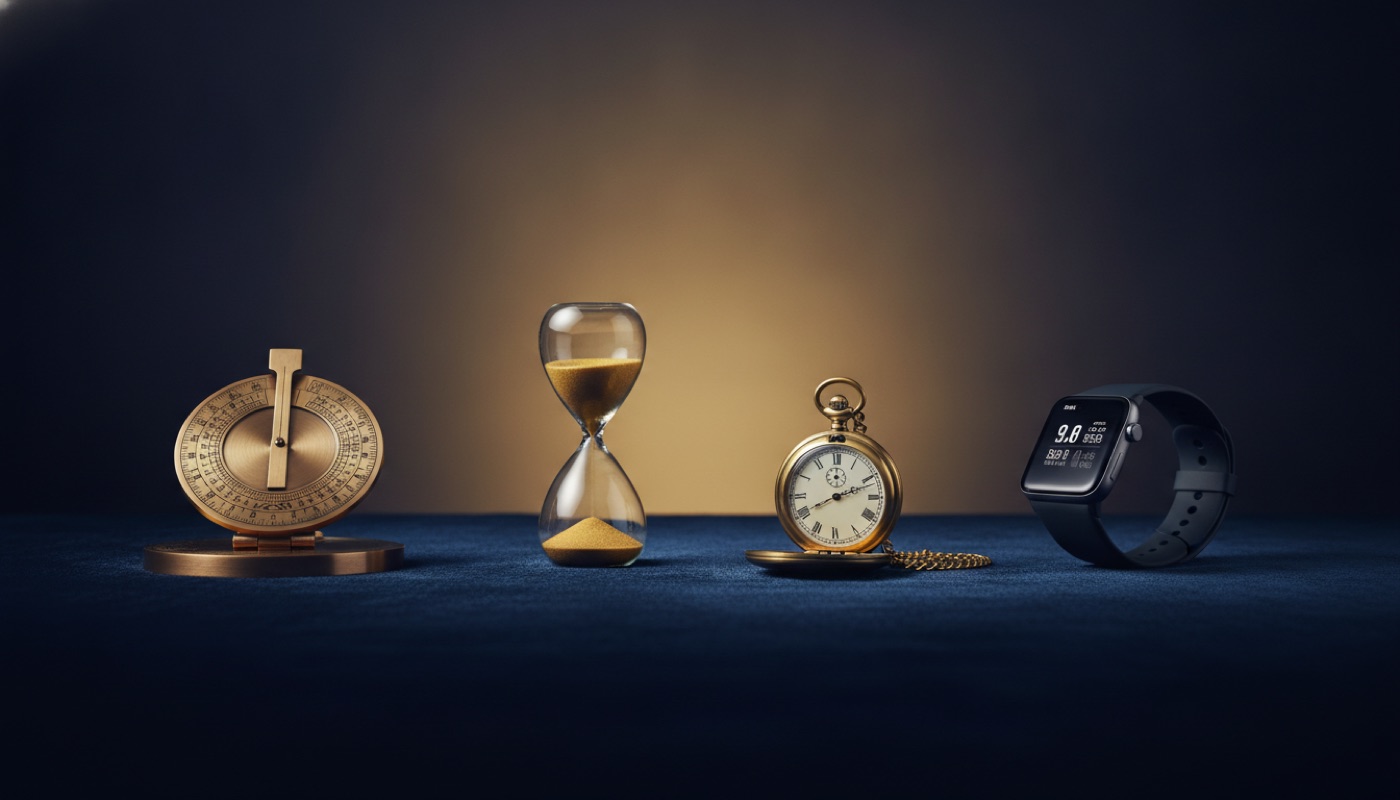
What changed when time became personal
Public clocks coordinated a town. Wristwatches coordinated individuals, and made punctuality a personal responsibility rather than a civic signal. Most modern assumptions about being "on time" date from that shift.
Where automation genuinely helps
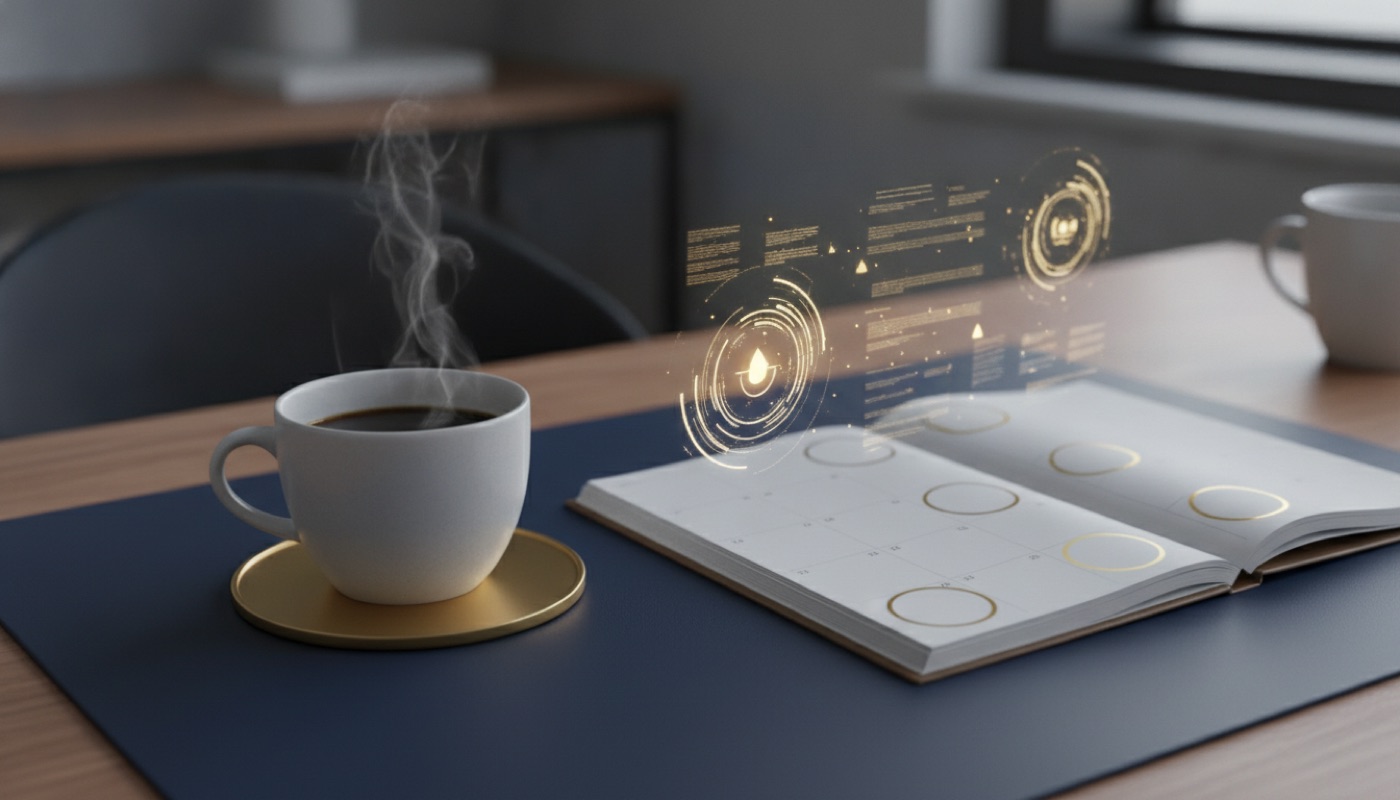
The tasks worth handing to software are the repetitive, low-judgement ones: summarising, reformatting, drafting, scheduling. Handing over the judgement-heavy work is where automation starts costing more than it saves.
have a good deal to say about using it: about rhythm, about regulation, and about the difference between being busy and being accurate.These guides connect the history of timekeeping to modern attention — including what a well-briefed assistant can genuinely take off your plate.