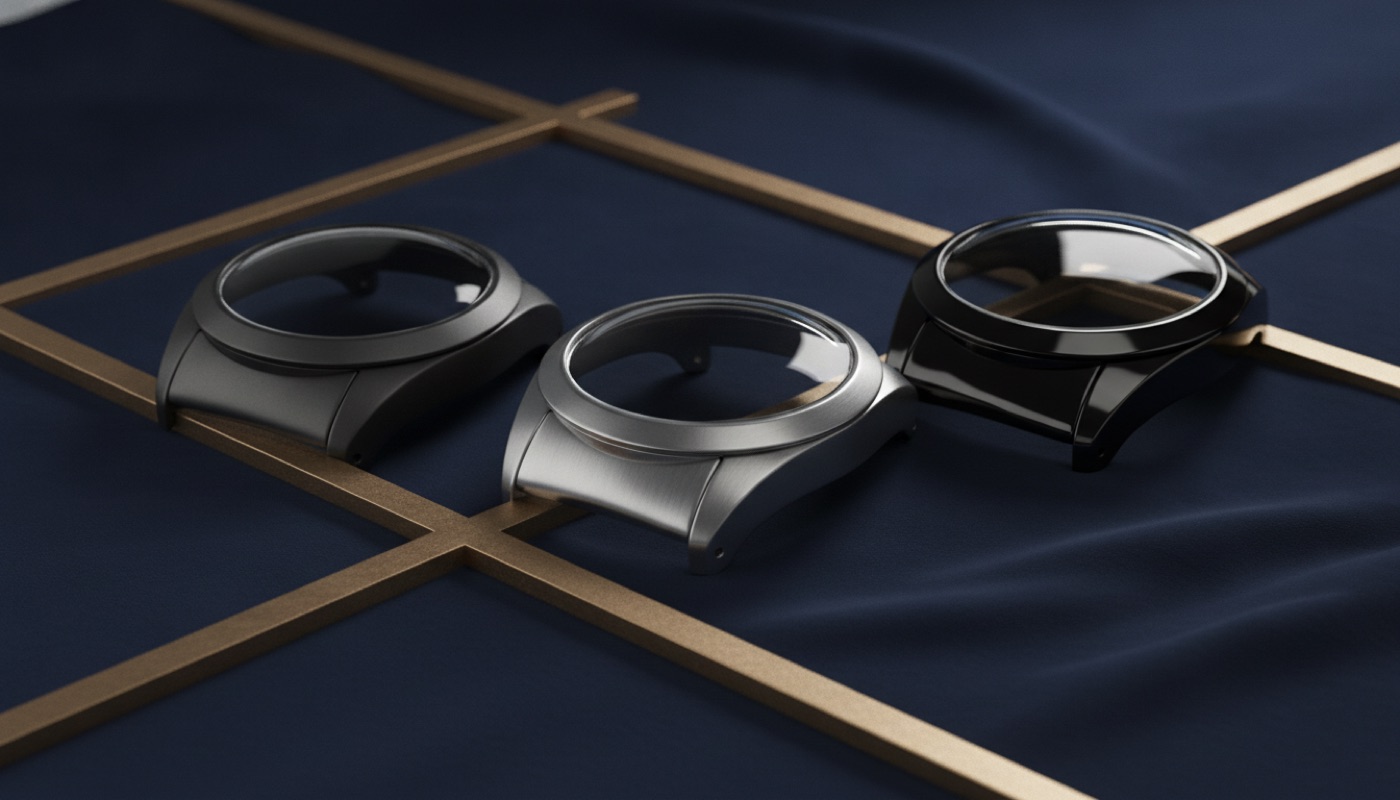
A mechanical watch never stops. Its oils thin and spread, its gaskets harden, and its case collects the dust and salt of ordinary days. Care is not fussiness. It is the difference between a watch that lasts ten years and one that outlives you.
The weekly habit that does the most good
Wipe the case and bracelet with a dry microfibre cloth. That is it. Most wear on a watch case comes from grit sitting in the gaps between links and lugs, working like a mild abrasive every time you move your wrist.
What a service actually involves
A watchmaker opens the case, strips the movement, cleans every component, replaces worn parts and gaskets, re-lubricates, reassembles and then regulates the watch. It is a rebuild, not a check-up. That is why it takes weeks and costs what it does.
Water is the risk people misjudge most
Gaskets are rubber, and rubber ages. A watch that was waterproof when new may not be after five years, even if it has never been near a pool. Pressure testing at service time is how you find out before it matters.
The short version
- Wipe it down weekly; keep grit out of the bracelet.
- Never operate the crown or pushers while the watch is wet.
- Have gaskets pressure-tested at every service.
- Store it away from magnets and direct sunlight.
- Know your case material before you polish anything.
These guides cover cleaning, servicing intervals, water exposure and the materials that decide how forgiving your watch will be.