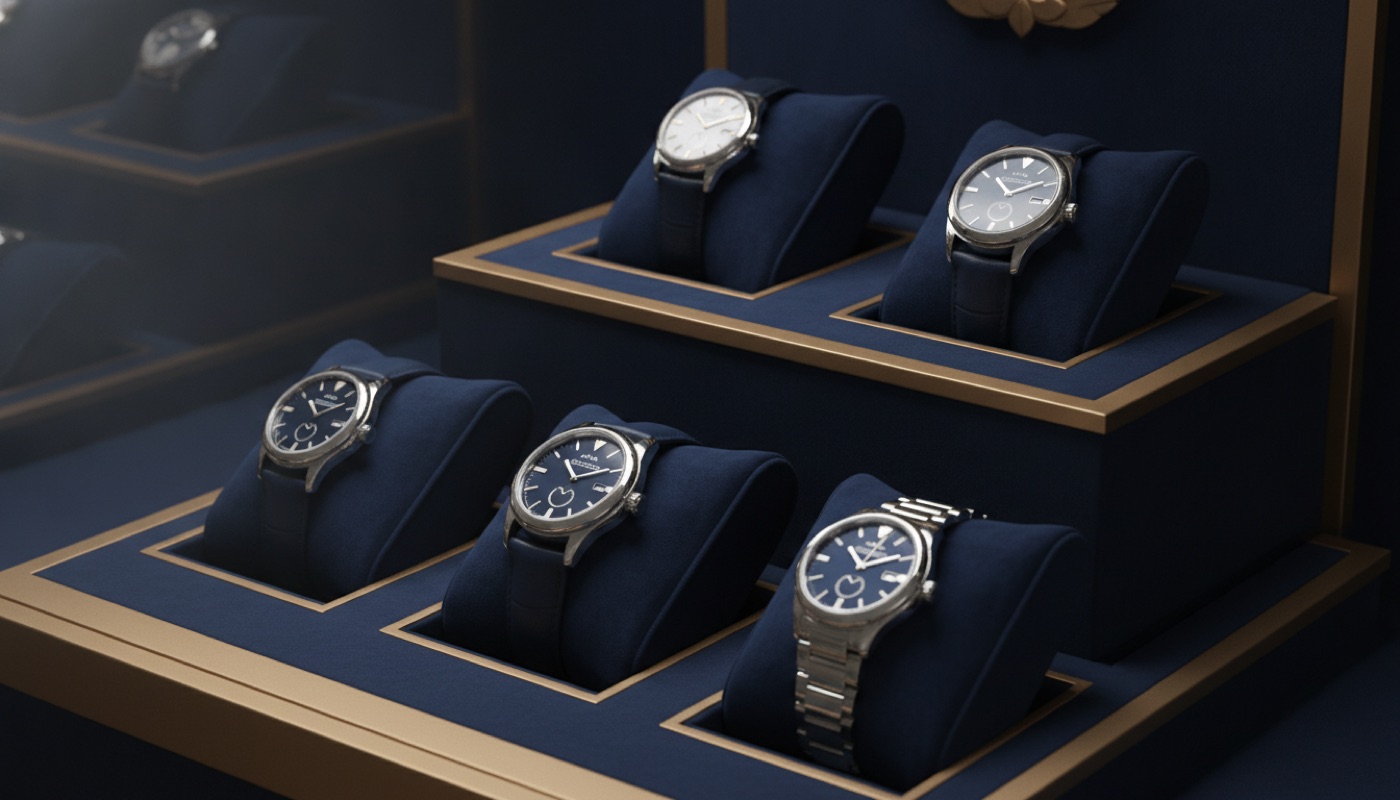
Most watch advice starts with brands. These guides start with the object in front of you. What is the case made of? How deep can it actually go? What is the dial telling you, and what is it only implying? Answer those and the brand question gets much easier.
Four things worth checking before you spend
- The crystal. Sapphire resists scratches far better than mineral glass. It is the single upgrade you will notice most over years of wear.
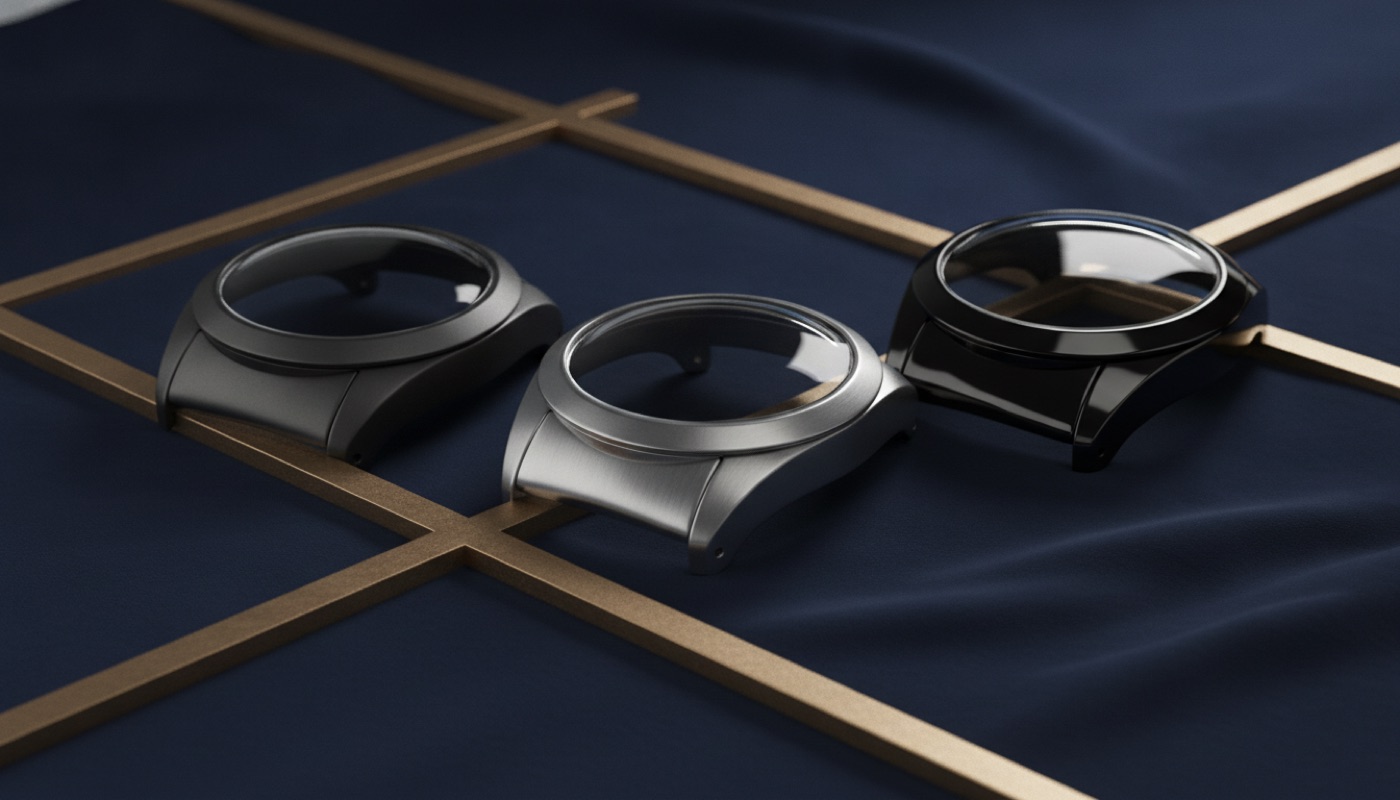
- The case material. Steel is heavy and forgiving. Titanium is light and warm to the touch. Ceramic keeps its finish but chips rather than dents.
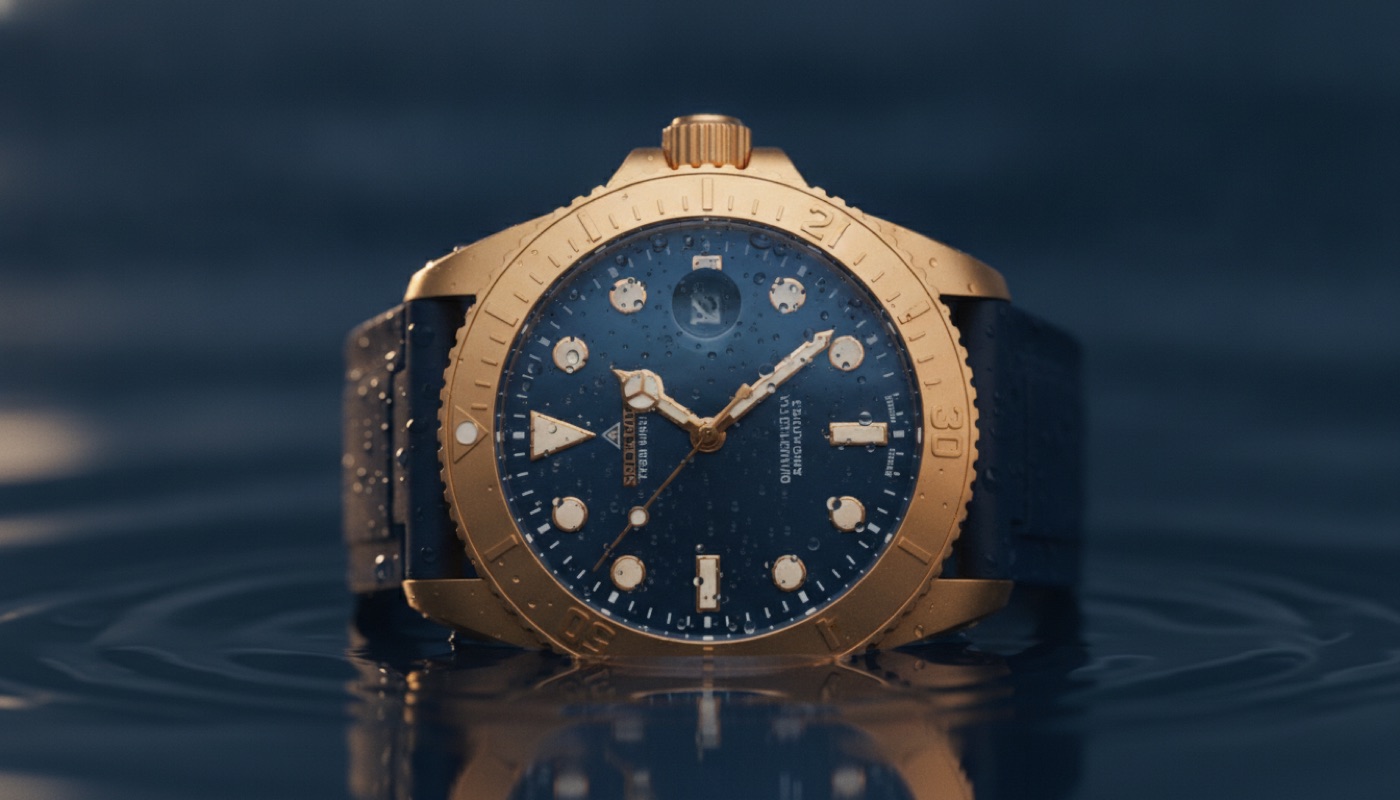
- The water-resistance rating. A "30 m" watch is not a swimming watch. The number comes from a static pressure test, not a swimming pool.
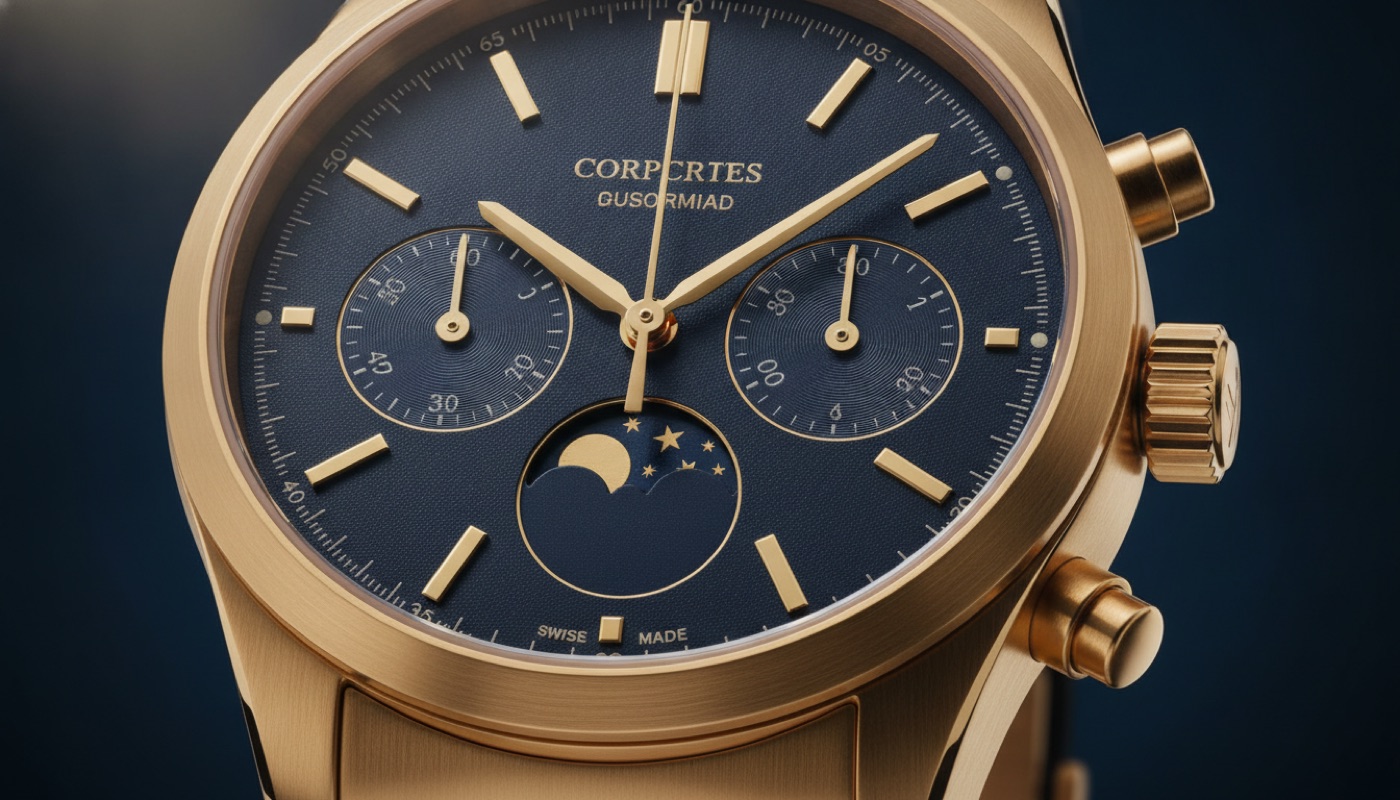
- The complications you will use. A date is genuinely useful. A second time zone is useful if you travel. A tachymeter is mostly decorative.
Set a budget for ownership, not just purchase
A mechanical watch needs servicing every few years. That cost is part of owning one, and it is worth knowing the figure before you buy rather than after. A quartz watch trades that servicing for battery changes and a different kind of accuracy.
Buy the watch you will actually wear
The most common first-watch regret is size. A 44 mm case looks confident in a photograph and awkward on a 16 cm wrist. Try the case width and the lug-to-lug length on your own arm before you commit to either.
start with the object: what the case is made of, how deep it can go, what the dial is telling you, and which of those details will still matter in ten years.Read them in any order. Together they cover the decisions a first-time buyer actually faces, and the vocabulary needed to read any watch listing without being sold to.